Color is a powerful tool in makeup that can transform not just appearances but also emotions. From vibrant reds to soft pastels, the shades we choose can reflect our mood, enhance our features, and express our individuality. This article delves into the psychology of color in makeup, how to select the perfect shades for various occasions, and tips for incorporating color into your beauty routine.
The Psychology of Color
Colors evoke feelings and reactions, influencing our moods and perceptions. Understanding color psychology can help us make informed choices when selecting makeup. For instance, red is often associated with passion and confidence, making it a popular choice for bold lip looks. On the other hand, soft pinks and peaches convey warmth and approachability, perfect for everyday wear.
In the realm of eyeshadows, earthy tones like browns and greens can create a calming effect, while brighter hues such as blues and purples can energize and uplift the spirit. Knowing how colors can affect emotions allows individuals to curate their makeup looks according to how they want to feel or be perceived on a particular day.
Choosing Shades for Different Occasions
When it comes to selecting makeup colors, context is key. The right shades can elevate an outfit or set the tone for a particular event. Here are some tips for choosing colors based on different occasions:
1. Everyday Wear
For a casual day look, opt for neutral shades that enhance your features without overwhelming your natural beauty. Soft browns, taupes, and light pinks work beautifully for everyday makeup. A tinted moisturizer or a light foundation paired with a touch of blush and nude lips can create a fresh, effortless appearance.
2. Professional Settings
In professional environments, it’s essential to strike a balance between polished and approachable. Stick to classic shades such as soft beiges, muted pinks, or subtle corals. A well-defined brow, a hint of mascara, and a natural lip color can provide a sophisticated look that instills confidence.
3. Evening Events
For evening outings or special events, feel free to embrace bolder colors. Darker, richer shades like deep red, plum, or even metallics can add drama to your look. Smoky eyes paired with a bold lip can create a striking appearance. Remember, the key is to balance one feature with another—if you choose bold eyes, consider a more neutral lip and vice versa.
4. Festive Celebrations
During festive occasions, playful colors and sparkles are always a hit. Bright hues, glitters, and bold patterns can reflect the celebratory mood. Consider using vibrant eyeshadows, glittery eyeliners, or shimmering highlighters to add an element of fun to your look. Mixing colors and textures can also create a unique, eye-catching effect.
Enhancing Your Features with Color
Understanding your undertone is crucial for selecting makeup shades that enhance your features. There are generally three undertones: warm, cool, and neutral.
– Warm Undertones: If your skin has a golden, peachy, or yellow hue, you likely have warm undertones. Colors such as coral, warm reds, and golden bronzes will complement your complexion beautifully.
– Cool Undertones: If your skin leans towards pink, blue, or purple, you likely have cool undertones. Jewel tones like emerald green, sapphire blue, and cool pinks will enhance your natural glow.
– Neutral Undertones: Those with neutral undertones can wear a mix of both warm and cool shades. This versatility allows for creative freedom when choosing makeup colors.
Tips for Incorporating Color into Your Makeup Routine
Incorporating color into your makeup routine doesn’t have to be daunting. Here are some practical tips to help you embrace shades with confidence:
1. Start Small: If you’re hesitant about bold colors, start with smaller features like eyes or lips. Experiment with colorful eyeliners or tinted lip balms before diving into more dramatic looks.
2. Blend and Layer: Mastering the art of blending is key when working with colors. Layering shades can create depth and dimension, making even the boldest colors wearable. Blend your eyeshadows for a gradient effect or layer lip products for a customized shade.
3. Mix Textures: Combining different textures can add interest to your look. Pair a matte lipstick with a glossy eyeshadow or mix cream blush with powder for a multidimensional effect.
4. Practice Color Theory: Understanding complementary colors can enhance your makeup application. For example, pairing warm eye shadows with cool lip colors can create a harmonious balance.
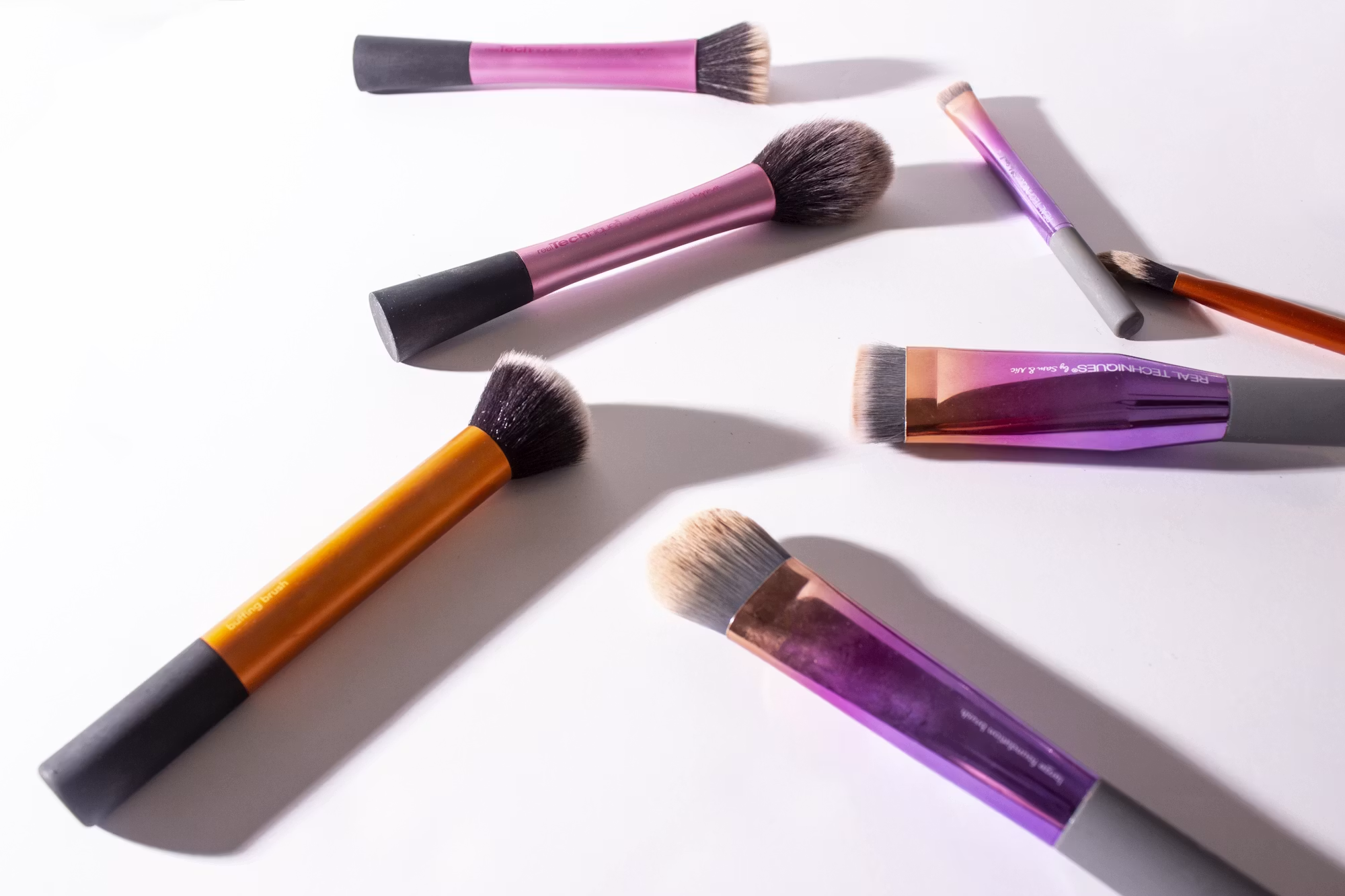
5. Use Tools Wisely: Invest in quality brushes and tools to help apply and blend colors seamlessly. The right tools can make a significant difference in how makeup looks and feels.
Staying True to Yourself
While trends can be exciting, the best makeup is one that reflects your personal style. Don’t feel pressured to conform to every new fad; instead, find colors and techniques that resonate with you. Experimenting is part of the fun, so allow yourself the freedom to play with different shades until you discover what you love.
Conclusion: The Endless Possibilities of Color
Color plays a significant role in the world of makeup, influencing our mood and enhancing our style. By understanding color psychology, choosing the right shades for various occasions, and incorporating colors thoughtfully into your routine, you can create looks that not only reflect your personality but also empower you.
Whether you opt for soft, natural hues or bold, vibrant shades, the world of makeup is yours to explore. Embrace the power of color and enjoy the journey of self-expression it offers, celebrating your individuality with every stroke of the brush.